

Table of Contents
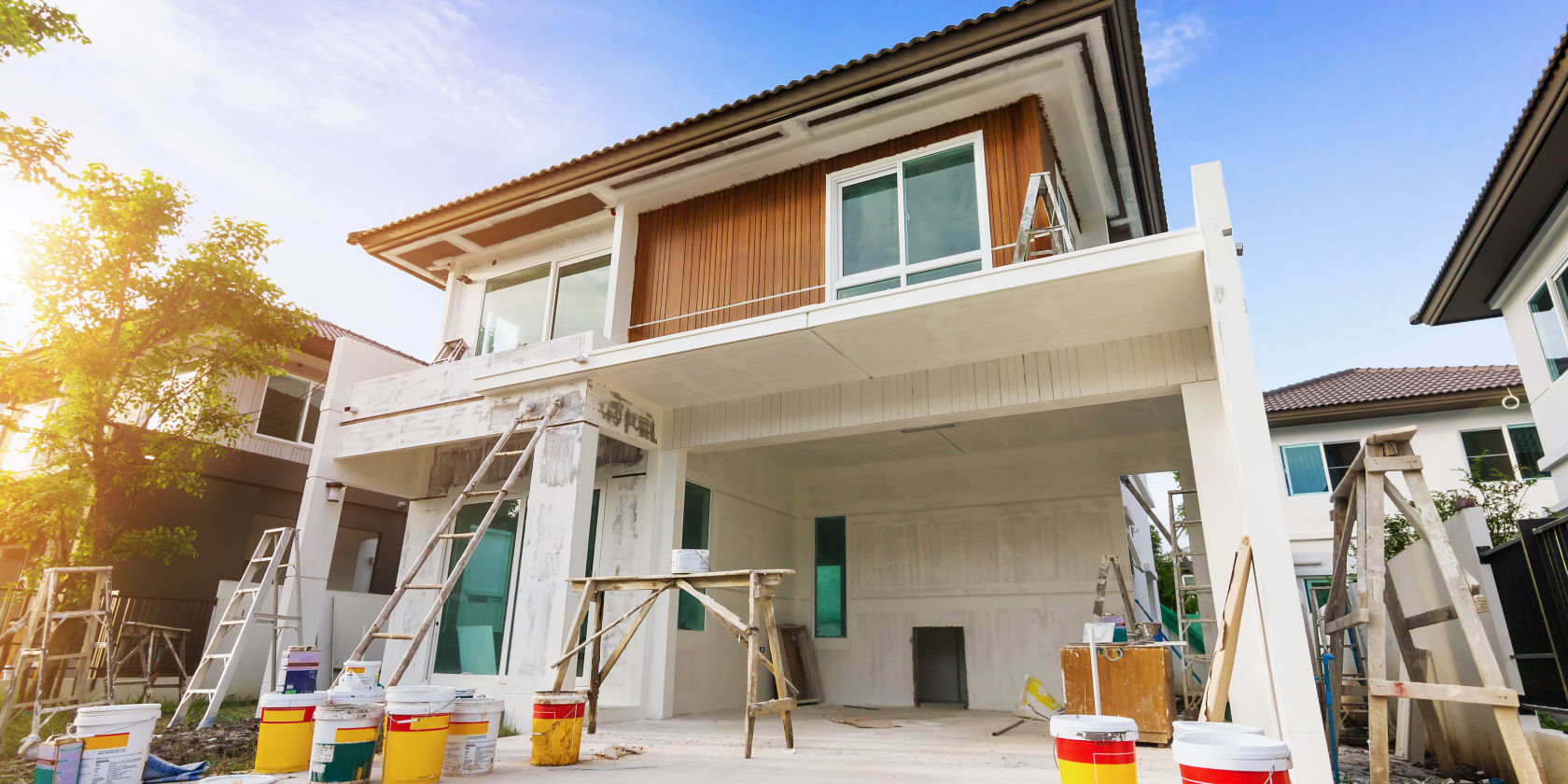
House renovation- is more than just a facelift; it’s a transformative journey that elevates not only the physical space but also the atmosphere and functionality of your living quarters. Whether you’re preparing to sell or seeking a personal haven that reflects your taste and lifestyle, smart upgrades can make a world of difference. The secret lies in strategic simplicity—implementing the 10 easy house renovation tips that bring stunning results without exhausting your budget or sanity.
1. Embrace Open Space Living
Redefining Space Through Seamless Integration
Open space living is more than an architectural preference—it’s a lifestyle shift that reflects the modern desire for fluidity, light, and connectedness. By dismantling unnecessary partitions and embracing unobstructed layouts, homeowners unlock a newfound sense of airiness and continuity that traditional room divisions often suppress.
This design philosophy transforms interiors into multifunctional sanctuaries. The kitchen flows effortlessly into the dining area; the living room extends with inviting warmth; conversations echo freely without interruption. In essence, 1. Embrace Open Space Living is an invitation to blur the lines between function and form.
The Psychological Impact of Openness
Beyond aesthetics, open layouts evoke a psychological sense of freedom. The removal of visual barriers fosters inclusivity, encouraging interaction among family members and guests. Natural light streams across the expanse of rooms, eliminating shadows and illuminating every corner with vitality. The entire atmosphere feels elevated, optimistic, and spacious—even in homes with modest square footage.
Moreover, open layouts enhance spatial perception. A well-placed mirror, expansive windows, or consistent flooring can make even the most compact environment appear grand and welcoming. This optical trickery, when executed thoughtfully, lends a bespoke charm that exudes both elegance and intelligence.
Strategic Design for Cohesive Functionality
To successfully embrace open space living, coherence is crucial. Color palettes should harmonize across zones, furniture must be curated for balance, and materials must converse fluently with one another. A soft transition from the rustic textures of a reclaimed wood dining table to the clean lines of a contemporary leather sectional can be the bridge between comfort and sophistication.
Zoning within an open plan is equally vital. Area rugs, varied ceiling treatments, or lighting arrangements can define individual sections without the need for walls. A suspended pendant above a kitchen island, for example, becomes both a visual anchor and a functional delineator.
Benefits That Extend Beyond Beauty
Functionality reigns in open-plan homes. Parents can prepare meals while keeping an eye on children. Hosts can entertain without isolation. The design promotes social flow, making daily activities more connected and communal. Even the resale value of a home can benefit, as open floor plans remain a coveted feature among buyers seeking modernity and openness.
This renovation approach aligns perfectly with the overarching goal of 10 Easy House Renovation Tips That Bring Stunning Results—to create impactful change with strategic intention.
To embrace open space living is to welcome harmony, light, and fluid movement into your daily environment. It is a deliberate act of removing the unnecessary to highlight the essential. Whether you’re knocking down a wall or simply rearranging for continuity, this design choice offers enduring value—both in function and in the soul of your home.
2. Illuminate With Layered Lighting
The Art of Light: Crafting Ambience With Precision
2. Illuminate With Layered Lighting is not just a design recommendation—it is an essential strategy for transforming the sensory experience of a space. Thoughtfully curated lighting transcends its utilitarian purpose, becoming a dynamic design element that shapes mood, depth, and visual intrigue.
Layered lighting operates on a multi-dimensional philosophy. It goes beyond the harsh glare of a single ceiling bulb or the flat cast of an overhead fixture. It involves blending three distinct lighting types—ambient, task, and accent—into a harmonious ensemble that adds character, clarity, and warmth to a room.
Ambient Lighting: The Foundation of Illumination
Ambient lighting is the general illumination that blankets a space. It is the foundation—the first tier in the lighting hierarchy. Whether it emanates from a central chandelier, recessed ceiling fixtures, or architectural cove lighting, ambient light ensures basic visibility and a comfortable glow.
Soft, diffused ambient light invites a welcoming atmosphere. The use of dimmable options allows flexibility, enabling the room to shift seamlessly from a bright daytime environment to a cozy, subdued evening retreat. Think of ambient light as the canvas upon which other lighting layers can be painted.
Task Lighting: Purpose Meets Precision
Where ambient light falls short in functionality, task lighting takes command. This layer delivers focused illumination designed for activities requiring visual acuity—reading, cooking, writing, or grooming.
Under-cabinet lights in kitchens, swing-arm wall sconces beside beds, and LED vanity mirrors in bathrooms all exemplify task lighting done well. These lights sharpen contrast and reduce strain, making them essential for productivity zones.
Function doesn’t exclude form, however. Sculptural desk lamps, minimalist floor lights, and industrial pendant fixtures can double as décor, blending purpose with style in a single luminous stroke.
Accent Lighting: Drama, Depth, and Emphasis
To illuminate with layered lighting fully, one must introduce accent lighting— the aesthetic layer that injects drama and dimension. This form of illumination highlights architectural features, textures, artworks, or collectibles. It draws the eye, creates visual pathways, and adds rhythm to the space.
Wall-mounted uplights, toe-kick LEDs along staircases, or in-cabinet puck lights are subtle yet powerful tools. They evoke emotion, enrich texture, and bring hidden corners to life.
Accent lighting is the design whisperer—quiet, yet impactful. It gives rooms an elevated, gallery-like appeal, drawing attention to curated vignettes that might otherwise go unnoticed.
Lighting as Lifestyle
Layered lighting supports lifestyle flexibility. Morning routines, intimate dinners, work-from-home schedules, and evening relaxation all require different levels of illumination. Smart lighting systems further elevate this concept, allowing scenes to be programmed, dimmed, or color-tuned with ease.
This practice aligns naturally with the vision of 10 Easy House Renovation Tips That Bring Stunning Results, proving that even subtle enhancements can produce transformative effects.
Final Glow: The Secret in the Layers
To illuminate with layered lighting is to choreograph light like a conductor directing a symphony. Each bulb, beam, and glow contributes to a richer composition. With balance and precision, lighting becomes the silent architect of space—capable of inspiring serenity, productivity, or celebration at the flick of a switch.
3. Refresh With a Paint Palette That Speaks
Chromatic Storytelling Through Walls
Walls are more than mere boundaries. They are silent narrators of emotion, personality, and ambiance. To refresh with a paint palette that speaks is to reimagine a home’s identity with intention and depth. Color is not decoration—it is communication. It whispers, declares, soothes, and energizes. Every hue evokes a mood, and every shade tells a tale.
Choosing a paint palette is not a task of convenience, but an act of design poetry. It is a visceral and visual experience that transforms not just rooms, but the very energy that flows within them.
The Psychology of Color: More Than Meets the Eye
Colors wield psychological power. Subtle blues calm and pacify, ideal for bedrooms or reading nooks. Warm neutrals like taupe and sand exude elegance and stability—perfect for living areas where comfort reigns. Muted greens channel serenity and balance, reminiscent of nature’s quietude. Bold choices—deep indigo, charcoal, or burnt sienna—evoke drama and sophistication.
To refresh with a paint palette that speaks, one must embrace these psychological cues. Each color must be chosen not only for beauty but for emotional resonance. The walls become a canvas for curated expression—where feelings find pigment.
Harmonizing Hues With Purpose
A well-orchestrated palette creates harmony across the home. Think of the house as a composition—each room a different stanza. Cohesiveness doesn’t demand uniformity, but rather, compatibility. Choose a dominant base tone, then build with accent colors that shift gently in mood while maintaining continuity.
Monochromatic schemes offer sleek minimalism. Analogous palettes provide gentle transition. For those seeking contrast and energy, complementary colors inject excitement and dynamism. Whether subtle or bold, the palette must feel intentional—never random.
In hallways and transitional spaces, consider tones that bridge. Soft grays, creamy whites, or muted terracottas act as mediators, allowing bolder colors in adjacent rooms to coexist fluidly.
Texture and Finish: The Unsung Elements
A palette doesn’t speak in color alone. Finish and texture amplify its voice. Matte exudes understated luxury, perfect for walls you want to feel soft and modern. Satin provides a hint of sheen without glare—ideal for high-traffic areas. Gloss and semi-gloss surfaces reflect light, adding vibrancy and drama to trims, moldings, and accent pieces.
Layering finishes adds depth. Imagine a matte charcoal wall offset by a glossy black trim—it’s nuanced, elevated, and unforgettable.
Paint as Transformation, Not Just Touch-Up
Sometimes, the most dramatic renovation begins with a simple brushstroke. Old spaces are revived. Dated rooms are redefined. The entire home feels curated, cohesive, and fresh. It’s no wonder this technique sits comfortably among the 10 Easy House Renovation Tips That Bring Stunning Results—it delivers impact with both subtlety and soul.
To refresh with a paint palette that speaks is to infuse walls with character and cadence. It is a declaration of style, a choice of mood, and an investment in beauty that resonates. In just a few coats, a home is transformed—not just seen, but truly felt.
4. Elevate the Entryway Experience
Crafting the Gateway to Your Home’s Soul
The entryway serves as the threshold between the outside world and the sanctuary within. To elevate the entryway experience is to craft a first impression that lingers—welcoming, refined, and unmistakably purposeful. This transitional space is often overlooked, yet it holds the power to set the tone for the entire home’s narrative.
An elevated entryway combines aesthetics with utility, transforming a simple passage into a curated vestibule that invites, impresses, and organizes simultaneously.
The Power of Purposeful Design
Elevating the entryway begins with acknowledging its multifaceted role. It is a staging ground for arrivals and departures, a storage haven, and a place of pause. Thoughtful design enhances functionality without sacrificing style.
Incorporate a statement piece—a sculptural console table, an artisan-crafted mirror, or a unique light fixture. These elements act as visual anchors, grounding the space and drawing the eye. Rich textures such as reclaimed wood, matte metals, or woven fibers add tactile depth and invite touch.
Lighting: The Unsung Hero
Strategic lighting is pivotal to elevate the entryway experience. Soft, layered illumination accentuates architectural details and creates warmth. A pendant lamp with an intricate silhouette or a set of wall sconces can imbue the space with personality while ensuring safety and practicality.
Consider natural light where possible. Frosted or textured glass panels in doors diffuse daylight, fostering an inviting glow that changes with the sun’s trajectory.
Storage Solutions That Impress and Organize
An entryway’s charm lies not just in its beauty but in its ability to contain clutter. Integrated storage options—such as built-in benches with hidden compartments, elegant coat hooks, or minimalist shelving—provide order without overwhelming the aesthetic.
Use baskets or decorative boxes to conceal smaller items like keys, mail, or gloves, preserving a clean, curated look. The seamless blend of form and function ensures the entryway remains a place of calm rather than chaos.
Flooring and Textiles: Foundation of Experience
The entryway’s flooring must withstand traffic while contributing to the space’s overall allure. Durable materials such as natural stone, ceramic tile, or hardwood set a robust yet sophisticated foundation.
Layering rugs with distinct patterns or textures softens footsteps and adds visual interest. A runner with artisanal motifs or a plush wool rug can elevate the sensory experience, inviting visitors to linger a moment longer.
Personal Touches: The Signature Statement
To truly elevate the entryway experience, incorporate personal artifacts—an antique umbrella stand, a curated collection of art prints, or a fragrant bouquet in an elegant vase. These touches narrate your unique story, connecting guests immediately with the spirit of the home.
Every detail, no matter how small, contributes to a holistic experience that feels both grand and intimate.
The entryway is the prologue to your home’s story. To elevate the entryway experience is to honor that moment of arrival and departure with intention, beauty, and grace. It is a space that welcomes, organizes, and enchants—all while embodying the essence of what lies beyond its threshold. Investing in this often-overlooked area yields a stunning, lasting impression that resonates daily.
5. Revitalize Flooring Without Full Replacement
Flooring sets the tone—literally underfoot. If replacing it entirely feels daunting, numerous alternatives exist that can breathe new life into worn-out surfaces.
For wood floors, sanding and refinishing can rejuvenate their original charm. Outdated tiles can be covered with luxury vinyl planks or laminate flooring, which are not only affordable but also easy to install and incredibly realistic.
In kitchens and bathrooms, self-adhesive floor tiles are a game changer. Peel-and-stick options offer stunning patterns from vintage mosaics to modern marble looks—no demo required.
6. Upgrade Fixtures and Finishes
Sometimes, it’s the little details that echo the loudest. Swapping outdated hardware and fixtures can modernize your home instantly.
Think sleek black cabinet handles, brushed gold faucets, or industrial-style light fixtures. These updates don’t require technical skills but significantly alter the room’s aesthetic.
In bathrooms and kitchens, install new towel bars, drawer pulls, or even a statement sink faucet. Consider open shelving with curated ceramics for a designer-inspired touch.
This tip exemplifies the power of subtlety in the 10 easy house renovation tips that bring stunning results—a minor change with a major impression.
7. Introduce Texture Through Architectural Features
Texture adds depth. It tells a tactile story, even visually. You can introduce it by adding millwork like shiplap, beadboard, or decorative wainscoting to plain walls.
Board and batten panels give rooms a regal, traditional look. Decorative ceiling tiles or faux beams can give plain spaces a unique personality. Even a single wall adorned with textured wallpaper—like grasscloth or embossed damask—can act as an artistic focal point.
Such enhancements are relatively easy to install but deliver a sophisticated edge that feels high-end and thoughtful.
8. Reimagine Unused Spaces
Unused nooks and awkward corners hold immense potential. Transform them into functional gems that boost your home’s practicality.
Convert that dead space under the stairs into a reading nook, wine cellar, or storage drawers. Repurpose a closet into a compact home office by adding a built-in desk, floating shelves, and stylish lighting.
Window alcoves can be redesigned into cozy seating benches with storage underneath. These micro-renovations personalize your space and improve everyday living.
9. Infuse Green Life With Indoor Plants
A lush home feels alive. Houseplants purify the air, add visual interest, and create a sense of harmony between the indoors and nature.
Opt for low-maintenance varieties like snake plants, pothos, or ZZ plants if you’re a beginner. Use stylish planters—terracotta, ceramic, or minimalist matte black—to complement your decor.
Cluster different plants at varying heights in a corner, or install wall-mounted planters to utilize vertical space. This infusion of green vitality is a sublime way to refresh a home without lifting a hammer.
10. Modernize Window Treatments
Windows are your home’s eyes to the outside world. Dressing them well is crucial for both function and beauty.
Swap out heavy, outdated drapes for sleek roller blinds, bamboo shades, or airy linen curtains. Layering blinds with soft sheers adds privacy without blocking light.
Automated smart blinds not only offer convenience but also elevate your home’s tech-savvy appeal. This final touch can significantly impact energy efficiency and the overall atmosphere of your home.
Conclusion: Transform With Intention
Renovation doesn’t need to be intimidating. These 10 easy house renovation tips that bring stunning results prove that even modest adjustments can create extraordinary impact.
From revitalizing entryways to introducing layered lighting, every tip outlined blends functionality with aesthetics. Each suggestion is crafted to deliver the highest visual return on the smallest financial investment. When applied strategically, these renovations breathe new life into your home, transforming it into a space of joy, elegance, and purpose.
Approach your next renovation with intention. Let form and function coexist. And most importantly, let your home tell your story.