

Table of Contents
Introduction
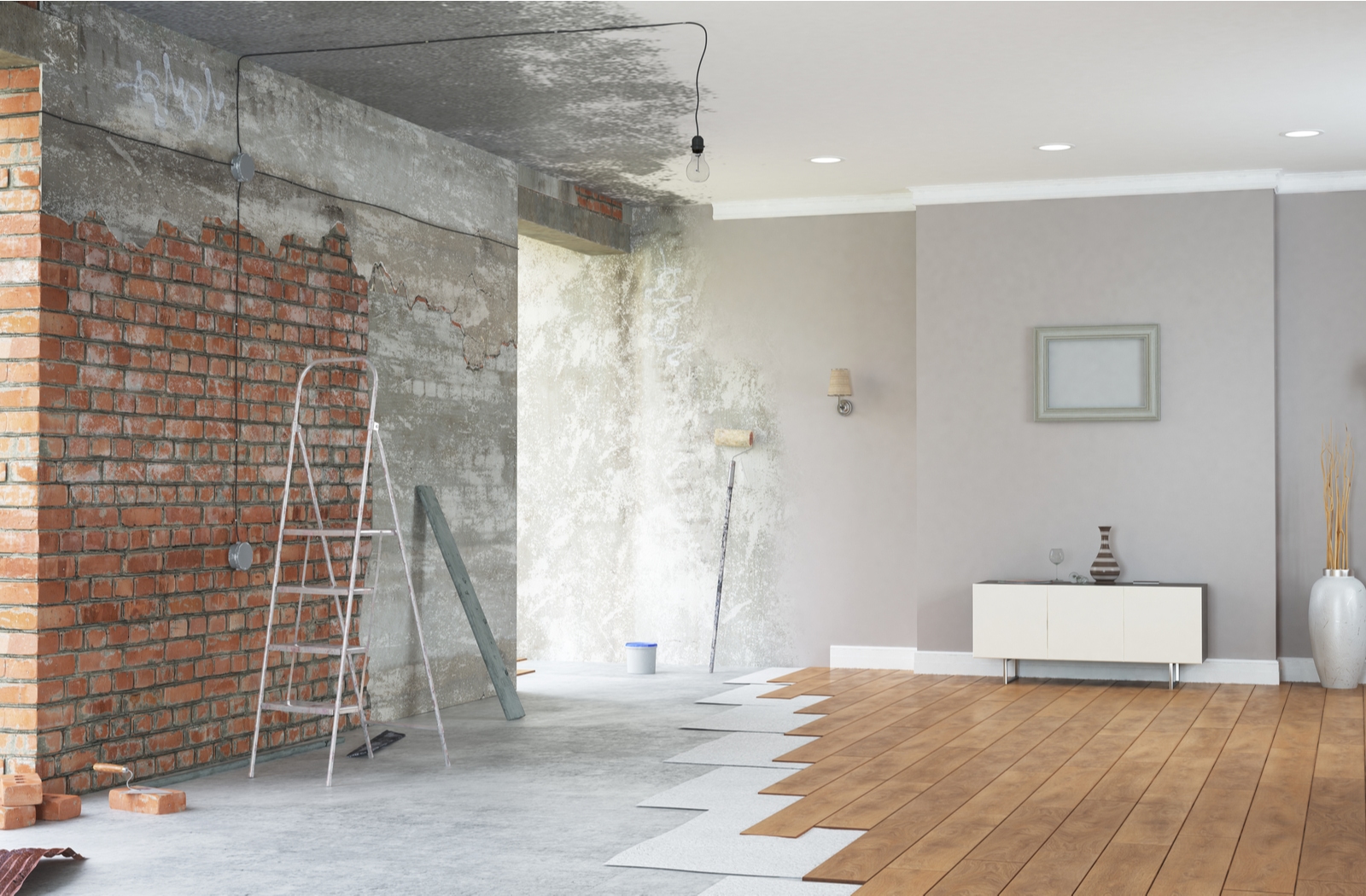
In the ever-evolving tapestry of residential living, the concept of house renovation – has become more than a mere trend—it’s a transformative journey. Homeowners today are not just patching leaky roofs or slapping on a new coat of paint. They’re breathing new life into weary walls, reimagining their environments, and crafting spaces that resonate with both function and identity.
Whether driven by necessity, aesthetics, or value augmentation, the allure of house renovation lies in its capacity to align a home’s architecture with its inhabitant’s evolving lifestyle. From subtle upgrades to full-blown structural metamorphoses, the domain of renovation is expansive, intricate, and, at times, profoundly personal.
The Catalyst Behind Renovations
Change is inevitable. In the realm of architecture and residential living, this axiom manifests itself most visibly through renovation. The impulse to alter, enhance, or completely reconfigure one’s domestic space is not a frivolous pursuit—it’s deeply rooted in psychological, cultural, economic, and practical imperatives. The catalyst behind renovations is rarely a singular factor. Rather, it is a confluence of subtle motivations and overt necessities, colliding to forge a renewed space that reflects not only a household’s needs but its aspirations.
The modern home is no longer a static entity. It is dynamic, adaptable, and increasingly reflective of the personalities within it. To understand the catalyst behind renovations is to unravel the psychology of habitation and the evolving story of lifestyle.
The Psychological Impulse: Restlessness and Renewal
Human beings crave novelty. The mind, susceptible to routine fatigue, often turns to the physical environment for stimulation and rejuvenation. This psychological restlessness frequently serves as the catalyst behind renovations. Monotony breeds discontent, and for many, altering the space they occupy offers a semblance of control and freshness amidst life’s unpredictability.
Moreover, a renovated space can serve as a symbolic fresh start. Whether following personal transitions—such as marriage, divorce, parenthood, or retirement—or emotional milestones, remodeling becomes a cathartic process. The home, in essence, evolves in tandem with the psyche of its occupants.
Functional Obsolescence: When Homes No Longer Serve
As families grow, shrink, or shift in lifestyle, spatial demands change. A once-functional layout may devolve into a daily hindrance. A small kitchen, once adequate, becomes claustrophobic in the face of culinary ambition. Bathrooms shared among a growing brood turn into morning battlegrounds. Storage vanishes under the weight of accumulated possessions.
Here, the catalyst behind renovations is rooted in functionality. When form no longer aligns with use, change is not just desired—it’s essential. Homeowners increasingly recognize the importance of space optimization, turning to open-plan concepts, multi-use rooms, and clever built-ins to remedy inefficient design.
Technological Advancements: The Digital Domestication
Smart homes have transcended science fiction. From voice-activated lights to AI-driven thermostats and security systems, technology now informs how homes function and feel. Many renovations today are triggered not by wear and tear but by the desire to integrate modern technologies.
Outdated electrical systems, poor connectivity, and analog appliances are often replaced with intuitive, interconnected solutions. The catalyst behind renovations in these cases is aspirational—driven by the pursuit of seamless convenience, energy efficiency, and elevated living.
Aesthetic Evolution: Taste, Trends, and Timelessness
Design, much like fashion, is ever-evolving. What once seemed chic can now appear dated or drab. Shag carpets, avocado-green appliances, and popcorn ceilings—once lauded innovations—are now cultural relics. As taste evolves and global design trends influence homeowners through media and travel, the urge to renovate becomes inevitable.
In such scenarios, the catalyst behind renovations is the aesthetic transformation. It’s not merely about keeping up with the Joneses, but rather an internal desire to surround oneself with beauty, coherence, and a sense of style that resonates personally.
Modern design trends—like Scandinavian minimalism, Japandi fusion, or rustic industrial—offer templates for reimagining space. The renovation becomes a canvas, and the homeowner, an artist in pursuit of visual harmony.
Property Value and Market Forces
Real estate is, for many, the most significant financial investment of their lives. In competitive markets, renovations become a strategic maneuver. Upgrading kitchens, remodeling bathrooms, refreshing exteriors, or adding square footage are all moves aimed at enhancing resale value.
Thus, the catalyst behind renovations can often be economic. Homeowners recognize that a dated, dilapidated home is a depreciating asset. By injecting capital into key areas of the home, they not only improve their immediate quality of life but position themselves for greater returns down the line.
This financial incentive is often reinforced by market trends, where renovated properties command higher asking prices and shorter time on the market.
Sustainability and Environmental Consciousness
An increasingly eco-conscious populace is rethinking not only how they live but how their homes impact the environment. Rising utility costs and a growing awareness of climate change are pushing homeowners to adopt green renovation strategies.
In these cases, the catalyst behind renovations is ecological responsibility. Homeowners are swapping out inefficient HVAC systems, installing solar panels, upgrading insulation, and using sustainable building materials—not just for economic savings, but for ethical alignment.
Certifications like LEED and Energy Star influence renovation choices, as do local tax incentives for green upgrades. The home becomes a statement of environmental stewardship.
Life Transitions and Milestones
Life, in all its unpredictability, demands adaptation. A couple expecting their first child may need a nursery. An aging parent moving in requires an accessible ground-floor suite. Empty nesters may seek to reconfigure unused bedrooms into hobby rooms or guest accommodations.
These pivotal life moments often serve as the catalyst behind renovations. Rather than relocating—a process often fraught with logistical and emotional hurdles—homeowners opt to reimagine their existing space to accommodate new chapters.
Such renovations are deeply personal. They reflect the changing rhythms of life, providing comfort and continuity through spatial adaptation.
Natural Decay and Structural Integrity
No material is immune to time. Wood rots, paint peels, plumbing corrodes, and foundations shift. Left unaddressed, these degradations not only mar aesthetics but threaten safety and habitability.
In such cases, the catalyst behind renovations is necessity. Deferred maintenance reaches a tipping point, and homeowners must act to preserve the structural integrity of their abode.
Water intrusion, termite infestations, crumbling masonry, and outdated wiring are more than inconveniences—they are liabilities. Renovation becomes an act of preservation, a means of safeguarding both property and life.
The Influence of Media and Social Platforms
In the digital age, inspiration is omnipresent. Pinterest boards, Instagram feeds, and YouTube channels brim with renovation walkthroughs, before-and-after transformations, and DIY marvels. Shows like Fixer Upper, Grand Designs, and Dream Home Makeover fuel a collective fascination with reinvention.
This media saturation serves as a potent catalyst behind renovations, particularly among millennials and Gen Z homeowners. The allure of creating a “Pinterest-worthy” kitchen or an “Instagrammable” living room is both aspirational and motivational.
Social validation, too, plays a subtle role. Sharing renovation progress or reveals on social platforms often adds a performative dimension to what was once a private endeavor.
Government Incentives and Policy Changes
Public policy can directly influence private renovation decisions. Government grants, tax credits, and low-interest loans designed to encourage home upgrades—especially those tied to energy efficiency or accessibility—serve as external catalysts.
For instance, programs aimed at retrofitting homes for seniors or incentivizing the installation of solar panels can trigger projects that may have otherwise been delayed or deprioritized.
Here, the catalyst behind renovations is systemic. Economic nudges and legislative frameworks create fertile ground for homeowners to initiate projects aligned with public good and personal benefit.
Emotional Attachment and Legacy
For some, renovation is about legacy. The desire to pass down a home that tells a story—a narrative of care, growth, and personalization—motivates deliberate, thoughtful upgrades.
These renovations are not driven by market forces or fleeting trends. Instead, the catalyst behind renovations is emotional permanence. Restoring an ancestral home, preserving architectural heritage, or embedding a space with multigenerational meaning transcends utility.
It’s an act of homage—a way of saying, “This matters. This will last.”
Cultural Shifts and Social Dynamics
Cultural contexts also play a role in renovation patterns. In many multi-generational households, the home must cater to diverse age groups, lifestyles, and privacy needs. Renovations might include the addition of secondary suites, soundproofed rooms, or separate entrances.
Changes in social habits—like remote work or home schooling—have also redefined spatial requirements. The pandemic, in particular, was a massive catalyst behind renovations, with households reconfiguring dining rooms into offices or carving out quiet nooks for Zoom calls and study areas.
What was once luxury—home gyms, meditation corners, or studio spaces—has become necessity in a more home-centered world.
Creative Expression and Personal Fulfillment
Renovation is not always about fixing something broken. Sometimes, it’s simply about creating something beautiful. For those with a creative impulse, the home is a medium. Walls become blank canvases, rooms become thematic experiments, and design becomes a mode of self-expression.
The catalyst behind renovations here is artistic fulfillment. It’s not about ROI, necessity, or peer pressure—it’s about crafting an environment that reflects individuality and personal ethos.
Color schemes, texture layering, architectural flourishes—all become tools of expression. The result is a space not just lived in, but loved.
Renovation is far more than a logistical endeavor or aesthetic upgrade. It is a reflection of who we are, what we value, and how we choose to live. The catalyst behind renovations is as multifaceted as the homes they transform. From functional necessity and financial strategy to emotional resonance and cultural evolution, the motivations driving home renovation are profound and varied.
In every nail driven, every wall torn down, and every corner reimagined, there is a story being told—a story of change, of growth, and of the timeless human desire to shape the spaces we call home.
Planning: The Cornerstone of Success
At the nucleus of every successful house renovation lies meticulous planning. This preliminary phase is often underestimated, yet it dictates the trajectory of the entire project. Homeowners must begin by auditing their current space. What works? What doesn’t? What do they envision?
Key considerations include:
- Budgeting: Without a defined financial framework, renovation dreams can swiftly morph into fiscal nightmares.
- Permits and Regulations: Every municipality has its own labyrinth of codes and compliance mandates.
- Scope: Is this a cosmetic uplift or a structural overhaul?
An architectural blueprint, preferably curated by a professional, is not optional—it is essential. It offers clarity, aligns expectations, and preempts costly deviations.
Design Philosophy: Function Meets Form
Design is not decoration. It is the deliberate orchestration of space, light, texture, and utility. In modern house renovations, homeowners are veering toward open-plan configurations, biophilic design elements, and sustainable materials.
Minimalism, with its emphasis on clarity and restraint, is currently in vogue, yet maximalism—with its eclectic, exuberant flair—also claims its share of enthusiasts. Regardless of style, cohesion is paramount. The home must tell a coherent visual and functional story.
Integrating smart home technologies—automated lighting, temperature regulation, security systems—can also elevate a renovation from the purely aesthetic to the profoundly intelligent.
Structural Renovations: The Skeleton of Transformation
When a house renovation involves foundational changes, the complexity increases exponentially. Structural renovations might encompass:
- Wall Removals: Knocking down non-load-bearing walls to create flow and openness.
- Foundation Repair: Stabilizing a sagging base to restore safety and longevity.
- Roof Replacement: Modern materials offer better insulation and longevity.
- Attic and Basement Conversions: Turning forgotten spaces into functional assets.
Each of these undertakings demands a discerning eye and a skilled hand. Structural engineers, architects, and experienced contractors are non-negotiable allies in these endeavors.
Kitchen Renovation: The Epicenter of Modern Living
No room better encapsulates the essence of house renovation than the kitchen. It is both a utility zone and a social nucleus. Modern kitchen renovations blend ergonomics with elegance.
Key trends include:
- Quartz countertops for durability and luxe appeal.
- Induction cooktops and energy-efficient appliances.
- Custom cabinetry to maximize storage without compromising aesthetics.
- Island units that serve both culinary and convivial functions.
Lighting, often an afterthought, must be layered—task, ambient, and accent—to optimize the kitchen’s multifaceted nature.
Bathroom Renovation: Sanctuary and Functionality
Bathrooms, once purely utilitarian, are now private sanctuaries. A thoughtfully renovated bathroom balances moisture resistance, spatial efficiency, and spa-like ambiance.
Popular features include:
- Walk-in showers with frameless glass.
- Freestanding tubs as focal points.
- Heated flooring for tactile luxury.
- Eco-friendly fixtures to reduce water usage.
Color palettes here tend to favor the serene—whites, greys, and earthy tones—though bold tile patterns and metallic accents offer compelling contrasts.
Flooring: The Underfoot Statement
Floors are the literal foundation of interior aesthetics. During a house renovation, flooring decisions influence not only visual appeal but acoustics, maintenance, and longevity.
- Hardwood remains a timeless choice—warm, tactile, and enduring.
- Engineered wood offers similar aesthetics with improved moisture resistance.
- Luxury vinyl plank (LVP) is increasingly popular for its affordability and resilience.
- Polished concrete delivers an industrial edge with modern flair.
Transitions between flooring types must be seamless to maintain spatial harmony.
Lighting: The Invisible Sculptor
Lighting shapes the ambiance, directs attention, and can dramatically transform a room’s perception. Effective lighting design in house renovations is both art and science.
Techniques include:
- Layered Lighting: Combining ambient, task, and accent sources.
- Dimmers and Zones: Allowing dynamic control over brightness and mood.
- Natural Light Optimization: Through enlarged windows, skylights, and solar tubes.
Smart lighting systems, responsive to voice commands or smartphone apps, offer an additional layer of convenience and sophistication.
Sustainability: Building for the Future
Contemporary house renovation increasingly embraces sustainable practices—not merely as a nod to environmental consciousness but as a long-term cost-saving measure.
Incorporating the following can yield both ecological and economic dividends:
- Solar panels to reduce dependence on grid electricity.
- Rainwater harvesting systems for irrigation.
- High-efficiency HVAC systems.
- Reclaimed or recycled building materials.
Green building certifications, such as LEED or BREEAM, can guide environmentally responsible renovation strategies.
Challenges in House Renovation
No journey is without turbulence. Renovation projects frequently encounter unforeseen obstacles:
- Hidden Damage: Mold, termites, or rot discovered mid-renovation can derail timelines.
- Permit Delays: Bureaucracy can be maddeningly slow.
- Scope Creep: The tendency for small additions to snowball into major deviations.
- Budget Overruns: Even with contingency funds, costs can escalate.
Mitigating these risks requires thorough initial inspections, clear contracts, and flexible yet firm project management.
The Emotional Dimension
Beyond blueprints and budgets lies the emotional spectrum of house renovation. It’s a venture laced with anticipation, anxiety, frustration, and ultimately, fulfillment.
Living amidst renovations can be disorienting. Dust, noise, and temporary displacement test even the most patient souls. Yet, the end result—a home tailored to one’s desires and needs—offers profound satisfaction.
Renovation is more than reconfiguration; it is redefinition. Each brushstroke, tile, and beam becomes a testament to personal evolution and vision.
Return on Investment
While many renovations are passion-driven, the financial ramifications cannot be ignored. Done wisely, a house renovation can substantially increase market value.
Projects with high ROI typically include:
- Kitchen upgrades
- Bathroom modernizations
- Energy-efficient improvements
- Curb appeal enhancements (landscaping, façade updates, new windows)
However, overcapitalizing—investing more than the neighborhood’s ceiling price—can diminish returns. Market research and real estate consultation are prudent pre-renovation steps.
Final Thoughts
House renovation is a layered, multifaceted endeavor—part art, part engineering, part psychology. It demands vision, patience, adaptability, and above all, respect for the process.
The home is more than a structure; it is an extension of self, a canvas for memory, aspiration, and daily ritual. Through renovation, a house transforms into a sanctuary that mirrors its inhabitants’ character and values.
In an age of disposability and impermanence, to renovate is a declaration: that something old is worth renewing, that beauty can be reborn from the bones of the past, and that every space holds the potential for reinvention.