

Table of Contents
The Art and Science of House Renovation
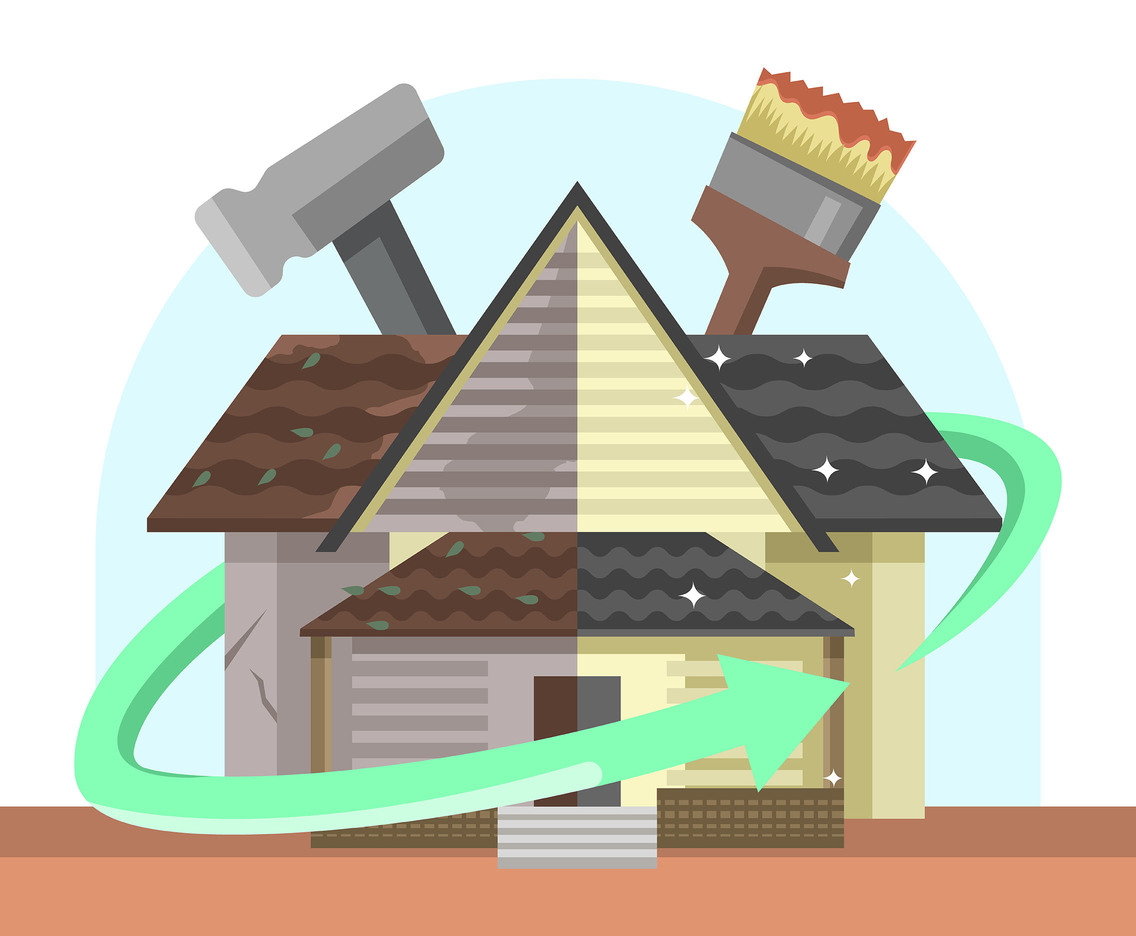
House renovation – is more than a structural overhaul—it is a refined blend of creativity, precision, and foresight. It is a dialogue between the old and the new, a reimagining of living spaces that honors their history while infusing modern comforts and aesthetics. Whether it’s a modest facelift or a complete metamorphosis, house renovation demands not only vision but also strategic execution.
At its core, house renovation is about transformation. It breathes new life into tired walls, outdated layouts, and weary finishes. It reinvigorates not just the space but the way people live within it. Every decision—from materials to layout to lighting—is a brushstroke on the canvas of domestic life.
Why House Renovation Is Gaining Momentum
In a world where the cost of new construction continues to soar, house renovation has emerged as a compelling alternative. It allows homeowners to remain in neighborhoods they love while tailoring their homes to better suit evolving needs. Moreover, renovation projects can significantly enhance property value, making them a wise investment in both emotional and financial terms.
Sustainability is also driving this surge. Repurposing existing structures minimizes demolition waste and reduces the need for new resources. Modern renovations often incorporate energy-efficient solutions—solar panels, double-glazed windows, advanced insulation—which not only reduce environmental footprints but also trim utility bills.
Planning: The Keystone of House Renovation
In the realm of architecture and interior transformation, nothing rivals the significance of planning. It is the lodestar that guides the entire journey from inspiration to execution. Planning: The Keystone of House Renovation is not merely a preparatory phase—it is the bedrock upon which every beam, nail, and brushstroke must rest. Without it, even the most ambitious renovation dreams can collapse into costly misadventures.
Vision: The Genesis of Renovation Planning
Every transformative endeavor begins with a vision. A mental rendering of what the home could become. This vision must be translated into tangible objectives—clarified, articulated, and prioritized.
Is the goal to modernize an aging property? To add functionality for a growing family? Or to elevate aesthetics in alignment with current design trends? Understanding the why behind a renovation is the first act of intelligent planning. It provides the blueprint not for the walls, but for decisions, budgets, and timeframes.
Site Analysis: The Hidden Truths of Structure
Before a single sketch or demolition, the property must be understood in its entirety. Structural surveys, pest inspections, and energy audits unveil the skeleton beneath the plaster. This diagnostic phase is critical. Without it, surprises lurk—mold behind drywall, outdated wiring, cracked foundations.
Effective planning incorporates this analysis, allowing contingencies for remediation and ensuring that aesthetic ambitions do not override structural necessities. No home can stand secure without first acknowledging the truths buried within its bones.
Budgeting: The Financial Spine of Renovation
Planning: The Keystone of House Renovation rests firmly on a realistic and detailed budget. It must go beyond surface costs and include the granular: labor, permits, finishes, fixtures, debris removal, and unforeseen challenges.
Itemizing every component ensures transparency and control. A contingency reserve—often 15–20%—safeguards against surprises that inevitably surface mid-project. Under-budgeting is the fastest path to stalled timelines and compromised quality.
A budget isn’t a limit; it’s a framework. It guides choices, steers conversations with contractors, and sets expectations. Without it, renovation becomes a financial free-fall.
Timeline: Synchronizing Vision with Reality
Time is an invisible currency in renovation. It must be tracked, guarded, and respected. A comprehensive timeline breaks down the process into phases: design, approvals, procurement, demolition, construction, and finishing.
Each phase has dependencies. Cabinets can’t be installed before plumbing; painting must wait for drywall; inspections precede occupancy. Planning involves sequencing these phases with surgical precision.
A Gantt chart or digital project tracker provides a visual overview, promoting accountability and coherence. Factor in delays—weather, shipping issues, subcontractor conflicts—and pad timelines accordingly. Optimism is noble, but realism keeps projects on course.
Legal and Regulatory Navigation
Renovation is bound by codes, permits, and local ordinances. Failure to comply can result in fines, halted work, or forced reversals. Early planning must include a legal audit: What approvals are needed? Are there zoning restrictions? Will structural changes require engineer sign-off?
Permit timelines vary wildly by municipality. Initiating this process early prevents bottlenecks down the line. In heritage zones or conservation areas, approvals can take months. Knowing this in advance ensures the renovation flows within legal boundaries.
Design Development: Form Follows Function
Aesthetic vision must intersect with functional design. Space planning, furniture flow, lighting schemes, and storage solutions are all mapped during this stage. Architects and designers convert dreams into CAD drawings, mood boards, and 3D visualizations.
This is where homeowner lifestyle, future needs, and ergonomics converge. Will the kitchen support daily use and entertaining? Is the new bathroom layout accessible for aging occupants? These considerations turn spaces from beautiful to livable.
Design planning also includes materials—durability, maintenance, availability. A bespoke marble counter might be visually stunning, but if it takes four months to import, the timeline may suffer. A good plan balances desire with practicality.
Procurement Strategy: Sourcing with Foresight
Delays in material delivery can paralyze progress. Strategic planning includes a procurement timeline, aligned with construction phases. Long-lead items—custom windows, imported tiles, high-end fixtures—must be ordered well in advance.
Bulk ordering can reduce costs but requires adequate storage. For renovations occurring in stages, a staggered procurement approach prevents clutter and loss. Supplier reliability, warranty terms, and return policies are also key considerations during this phase.
Smart planning reduces reliance on last-minute, high-cost alternatives and ensures harmony between logistics and installation schedules.
Contractor Selection and Vetting
A meticulously planned renovation can still falter under poor execution. Selecting the right contractor is a linchpin decision. Credentials, insurance, references, and portfolios should all be scrutinized.
Interviews go beyond technical competence. Communication style, responsiveness, and transparency are equally vital. Will this team adapt to change orders? Will they honor timelines and budgets?
A detailed scope of work, written contracts, and payment schedules reduce ambiguity. Planning for weekly check-ins or site inspections fosters accountability. Trust must be earned, but it begins with due diligence.
Communication Protocols: The Glue of Collaboration
Planning: The Keystone of House Renovation demands clear communication channels. With multiple stakeholders—homeowners, designers, contractors, suppliers—information must flow fluidly.
Assigning a project manager or lead coordinator centralizes communication. Regular updates, issue logs, and change requests should be documented. Misunderstandings are minimized when expectations, timelines, and responsibilities are clear.
Digital tools—project management apps, shared drives, and messaging platforms—help maintain synchronicity across teams. Silence breeds confusion; communication fosters cohesion.
Risk Management and Contingency Planning
No plan is immune to disruption. Planning must embrace risk mitigation strategies. What happens if the contractor quits mid-project? If a shipment is delayed six weeks? If building materials spike in price?
Identifying potential risks in advance allows for plan B—and even plan C. Temporary accommodation plans, alternative supplier lists, and reserve labor contacts become invaluable. The best renovations are not the ones without challenges but those with the resilience to overcome them.
Sustainability Planning
Environmental responsibility is no longer optional—it is integral. Planning a renovation includes choices that affect the planet and future generations.
Energy-efficient HVAC systems, LED lighting, low-flow plumbing fixtures, and solar installations reduce long-term costs and ecological impact. Material selection plays a crucial role—reclaimed wood, recycled steel, and VOC-free paints promote sustainability.
Waste management must be part of the plan. Recycling, donation of usable items, and responsible disposal show environmental foresight. Green building certifications, such as LEED or Passive House standards, can also guide sustainable renovations.
Phased Renovations: An Alternative Planning Model
When budgets or timelines are constrained, phased renovations provide a viable alternative. In this model, work is broken into logical, manageable segments—kitchen first, bathrooms later, then exterior upgrades.
This requires precise planning to avoid redundant labor or material waste. For instance, wiring run during phase one should accommodate lighting plans for future phases. Staging work logically saves both time and resources.
It also allows homeowners to remain in the property, minimizing relocation costs. However, phased renovations demand even more disciplined planning to ensure continuity and coherence.
Emotional Preparedness: The Human Factor
Renovation is disruptive. Dust, noise, decision fatigue, and delays can fray even the steadiest nerves. Effective planning includes emotional resilience strategies.
Set realistic expectations. Create temporary living solutions. Schedule quiet days or breaks. Establish zones of calm within the home to retreat from the chaos.
Include family members in planning to foster unity. Children, in particular, benefit from knowing what to expect and feeling part of the process. Emotional readiness is a vital yet often overlooked facet of successful house renovation planning.
Technology Integration
Smart homes begin with smart planning. Incorporating technology during the design phase ensures proper wiring, device placement, and system compatibility. Retrofits are costly and inefficient.
From smart thermostats to lighting control systems, security integration to automated blinds—each component must be mapped into the architectural plan. Structured cabling, router placement, and Wi-Fi coverage zones should be defined early.
Planning also includes software compatibility. Will your lighting sync with your voice assistant? Will the security system integrate with your mobile device? A tech-savvy home demands a tech-savvy plan.
Evaluating ROI: Planning with Purpose
Not all renovations are created equal. Some add substantial market value; others satisfy personal tastes. Planning should consider both emotional satisfaction and potential resale.
Kitchen remodels, bathroom upgrades, and additional bedrooms tend to yield the highest returns. Pool installations, highly customized features, or luxury finishes may not recoup their investment.
Using local market data, consult real estate professionals or appraisers to forecast impact. Informed planning balances personal fulfillment with financial sensibility.
Post-Renovation Planning
Planning doesn’t end at the final nail. Post-renovation strategies ensure longevity and satisfaction. This includes maintenance schedules, user manuals for new systems, warranty tracking, and future-proofing documentation.
Create a homeowner’s binder or digital archive. Include architectural drawings, receipts, paint codes, appliance details, and contractor contacts. Should issues arise or future work be considered, this archive becomes a priceless resource.
Also plan for a final walkthrough with contractors and designers to confirm satisfaction, address snags, and close out permits. A project well-finished is a project well-planned.
Planning: The Keystone of House Renovation is not a static phase—it is an ongoing, adaptive, and living framework. It scaffolds vision, tempers ambition, and propels action. Every exquisite detail seen in a renovated home—every seamless corner, every ergonomic flow—was once just an idea shaped by thoughtful planning.
From the drawing board to the final reveal, success hinges not on luck or aesthetic alone, but on foresight, structure, and intention. To renovate a home is to choreograph a complex symphony. And at the center of that performance lies the quiet, commanding power of a plan.
Interior Renovations: Breathing Life Indoors
Interior house renovations encompass a vast array of improvements. Open-concept designs have become increasingly popular, replacing walled-off rooms with expansive, communal living areas. This not only enhances the flow of natural light but fosters a more connected atmosphere.
Kitchens, often considered the heart of the home, are prime candidates for renovation. Modern kitchen overhauls may include quartz countertops, bespoke cabinetry, integrated smart appliances, and multifunctional islands. These upgrades combine functionality with finesse, creating culinary spaces that are as practical as they are beautiful.
Bathrooms too are getting lavish makeovers. Think underfloor heating, rainfall showers, and freestanding tubs. Incorporating natural materials—stone, wood, and organic textiles—imbues a spa-like serenity.
Flooring plays a pivotal role in setting the tone. Reclaimed hardwood, polished concrete, and artisan tiles not only offer durability but also elevate the ambiance. Lighting, meanwhile, has evolved into an art form. Layered lighting schemes—task, ambient, and accent—allow for both functionality and mood setting.
Exterior Renovations: Curb Appeal and Structural Integrity
The outside of a home is just as critical as the interior. Exterior house renovations often begin with the facade. New siding, fresh paint, and modern cladding materials such as fiber cement or natural stone can completely redefine a home’s personality.
Roofing upgrades are both aesthetic and protective. Architectural shingles or metal roofing not only increase lifespan but also boost insulation. Windows and doors, when replaced with energy-efficient versions, enhance thermal regulation while improving security and noise reduction.
Landscaping should not be underestimated. A well-designed garden, outdoor lighting, and functional spaces like patios or pergolas extend living areas beyond the walls of the home. In many regions, alfresco living has become a must-have, especially when equipped with outdoor kitchens, fire pits, and weather-resistant furnishings.
Structural Considerations: Balancing Ambition with Feasibility
Structural modifications require a deeper level of scrutiny. Removing load-bearing walls, expanding rooms, or adding new floors demands expert evaluation. Engineers and architects must work in tandem to ensure the integrity of the building is not compromised.
Foundation reinforcement, seismic retrofitting, and drainage improvements are often required in older homes. These aren’t glamorous aspects of house renovation, but they are fundamental. A visually stunning renovation means little if it rests on an unstable or unsafe structure.
Moreover, adherence to building codes and securing necessary permits is non-negotiable. Skirting these can result in legal troubles, forced demolitions, or hazardous living conditions. Professional guidance ensures that ambition is anchored in feasibility.
Embracing Smart Home Technology
Modern house renovations are increasingly incorporating smart home technology. These enhancements provide convenience, security, and energy efficiency.
Automated lighting systems, voice-activated assistants, and smart thermostats allow homeowners to tailor environments with ease. Security systems with remote monitoring capabilities, smart locks, and surveillance cameras offer peace of mind.
Energy management systems, including smart meters and solar integration, allow for better control and reduced consumption. Whole-home automation can even learn household patterns, adjusting settings proactively to align with daily routines.
Design Trends in House Renovation
House renovation is inherently tied to evolving design trends. Biophilic design—a concept that emphasizes the connection between indoors and the natural world—is gaining traction. Large windows, indoor plants, and natural textures dominate this aesthetic.
Minimalism remains popular, emphasizing clean lines, uncluttered spaces, and a muted color palette. However, maximalism is also resurging, with bold patterns, eclectic furnishings, and vibrant colors reclaiming attention in more daring renovations.
Texture layering—combining smooth metals, rough-hewn wood, and plush textiles—adds depth and character. Bespoke craftsmanship, from built-in shelving to custom moldings, personalizes spaces and defies mass production monotony.
Common Pitfalls to Avoid in House Renovation
Despite its allure, house renovation is fraught with potential pitfalls. One of the most common mistakes is underestimating the budget. Renovations often uncover hidden issues—mold, rot, pests—that require additional funds.
DIY enthusiasm can also backfire. While cosmetic changes like painting or furniture assembly are achievable, structural or electrical work should always be left to professionals. Cutting corners can jeopardize safety and quality.
Another pitfall is neglecting the timeline. Renovations are notorious for delays—waiting on materials, permit approvals, or contractor availability. Setting a realistic timeline, with built-in buffers, helps mitigate frustration.
Lastly, ignoring resale value can be a misstep. While personal tastes should guide decisions, it’s wise to avoid hyper-personalized elements that may deter future buyers.
Sustainable House Renovation: Building for the Future
Sustainability is no longer a niche consideration—it’s a mainstream priority. Eco-conscious house renovation involves more than just energy efficiency; it’s about mindful material selection, waste reduction, and long-term resilience.
Recycled and upcycled materials, from reclaimed timber to repurposed metal fixtures, reduce environmental impact. Low-VOC paints and adhesives promote healthier indoor air quality. Water-saving fixtures, composting systems, and green roofs further enhance ecological harmony.
Designing with longevity in mind—durable finishes, timeless aesthetics, flexible layouts—ensures the home remains functional and beautiful for generations.
Financing a House Renovation
Renovation financing is an essential consideration. Home equity loans, lines of credit, personal loans, or government grants (in the case of energy-efficiency upgrades) can provide the necessary capital.
Clear financial planning includes setting aside a contingency reserve—typically 10–20% of the total budget—for unforeseen expenses. Transparent contracts, detailed estimates, and staged payments protect both homeowners and contractors.
Proper valuation assessments pre- and post-renovation can also inform strategic decisions, especially for those planning to refinance or sell.
Working with Professionals: Assembling the Right Team
Selecting the right professionals is crucial for a seamless house renovation. This team may include an architect, interior designer, general contractor, structural engineer, and various subcontractors.
Due diligence is key—verify licenses, insurance, portfolios, and references. A well-coordinated team communicates openly, adheres to timelines, and shares a unified vision. Regular site visits, progress updates, and collaborative decision-making foster trust and efficiency.
Project managers can also be invaluable in larger renovations, serving as the central liaison between tradespeople, designers, and clients.
The Psychological Journey of Renovating a Home
Renovating a house is as much a psychological journey as it is a physical one. The process can be thrilling, exhausting, and deeply rewarding. It requires patience, flexibility, and resilience. There will be moments of uncertainty, inconvenience, and second-guessing.
However, the end result—a space that reflects identity, supports well-being, and enhances everyday life—is often worth every ounce of effort. The home, once a backdrop, becomes a bespoke sanctuary shaped by intention and care.
Final Thoughts on House Renovation
House renovation is a nuanced symphony of design, engineering, logistics, and passion. It is a chance to honor the past while embracing the future. Whether motivated by necessity, aspiration, or both, renovating a home offers the rare opportunity to shape the environment in which life unfolds.
From conceptual dreaming to the final brushstroke, the renovation journey redefines what it means to be at home. It is the architecture of lifestyle, the blueprint of daily ritual, and the manifestation of individual storylines. Through meticulous planning and thoughtful execution, house renovation becomes more than improvement—it becomes transformation.